
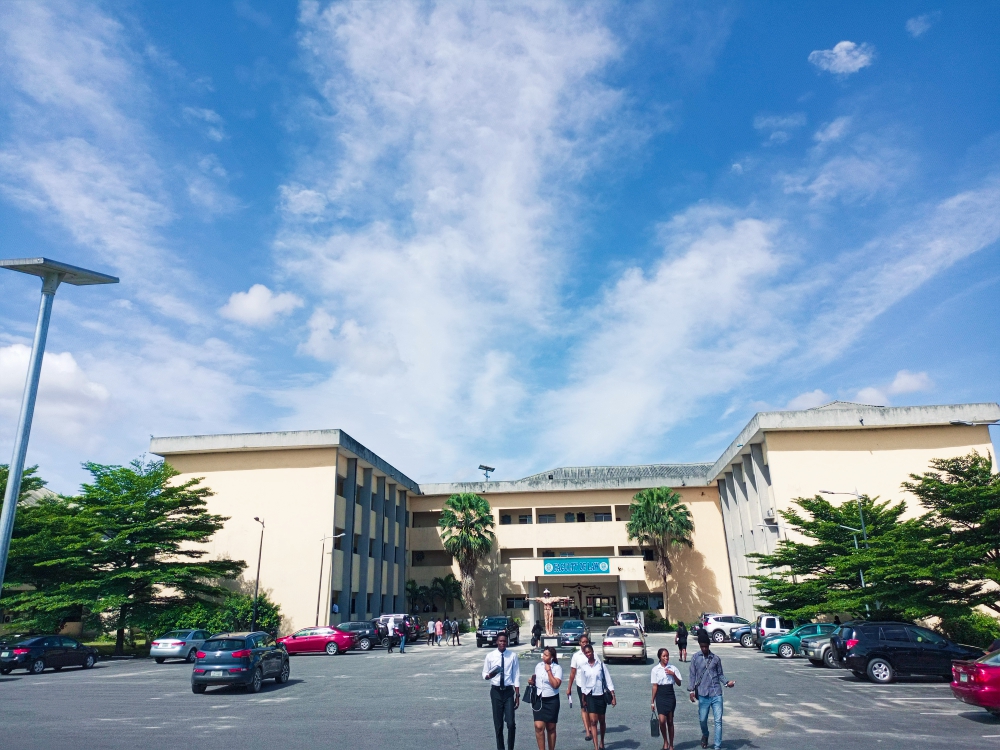
Campus energy planning must account for classrooms, laboratories, administration, water systems, security and residential loads. Treating the entire institution as one constant load usually leads to poor sizing.
Map the campus by function
Separate academic buildings, laboratories, ICT facilities, libraries, hostels, kitchens, clinics, workshops, water pumping and outdoor lighting. Each area has a different schedule and reliability requirement. Sub-metering can expose where energy is consumed and where waste occurs.
Account for the academic calendar
Demand changes during examinations, holidays, admissions, conferences and residential periods. Review at least twelve months of bills and generator records. A design based only on a busy week may be oversized; one based on a holiday period may fail during normal operations.
Prioritise learning and safety loads
Identify circuits that need continuous supply, including servers, internet equipment, laboratory refrigeration, clinic equipment, security lighting and water systems. Classrooms and offices may tolerate managed schedules, while some research equipment cannot.
Use daytime demand well
Teaching, administration, libraries and workshops often operate when solar production is available. Directly serving those loads can reduce conversion losses and limit the amount of battery capacity required. Hostels and evening activities create a separate storage requirement.
Integrate existing generators
Many campuses have several generators serving different zones. Record their ratings, condition, fuel use and distribution boundaries. A coordinated hybrid plan may retain dependable generators for long outages while solar and storage reduce routine runtime.
Design for phased expansion
Large campuses may achieve better results through measured phases: begin with priority buildings, verify performance, then expand using a compatible architecture. Document future hostels, laboratories and enrolment growth so cables, switchgear and controls do not become early constraints.
Choose a commercial structure
Institutions can consider outright purchase, financed ownership or an energy-service arrangement where suitable. Compare lifecycle cost, budget certainty, maintenance responsibility, contract duration and credit requirements. Read GreenPower’s guide to commercial solar financing in Nigeria.
Measure educational outcomes as well as energy
Track generator hours, fuel use, system availability and energy cost, but also record laboratory uptime, ICT availability, cancelled activities and student-service continuity. These indicators connect the energy investment to the institution’s mission.
A GreenPower campus assessment can establish zone loads, critical circuits and a phased solar-battery architecture before procurement.