
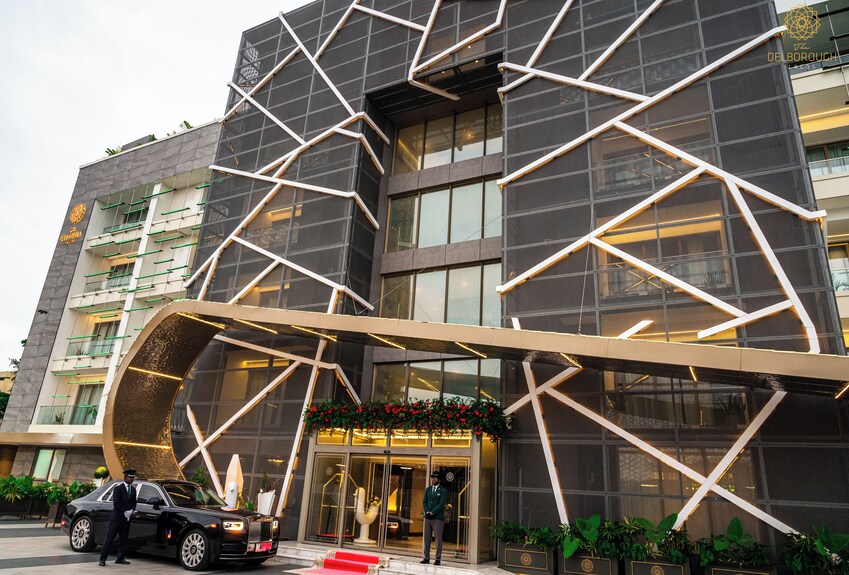
Hotel power is not one load. Guest rooms, air-conditioning, kitchens, laundry, water systems, lifts and event spaces create different peaks throughout the day.
Protect the guest experience first
Guests notice noise, heat, dark corridors, slow lifts and interrupted Wi-Fi immediately. The energy design should identify the services that define comfort and ensure they transfer smoothly during a grid outage.
Match solar to daytime operations
Hotels often maintain strong daytime demand from cooling, kitchens, laundry and administration. This can make direct solar consumption valuable because generated energy serves active loads instead of relying entirely on storage.
Separate critical and flexible loads
Not every air-conditioner, heater or event load must operate during every outage. Load prioritisation allows batteries to protect essential services while energy-management rules defer lower-priority equipment.
Reduce generator cycling
Generators can become inefficient when they start frequently or run lightly loaded. Battery storage can handle short interruptions and lower-load periods, while controls bring generators online only when operating conditions justify them.
Use operating data to verify results
Management should see solar production, battery state, generator hours and avoided energy cost. Monthly performance reporting connects the technical system with hotel profitability and maintenance planning.
GreenPower can assess rooms, central services and generator history to develop a hotel-specific hybrid solution.