
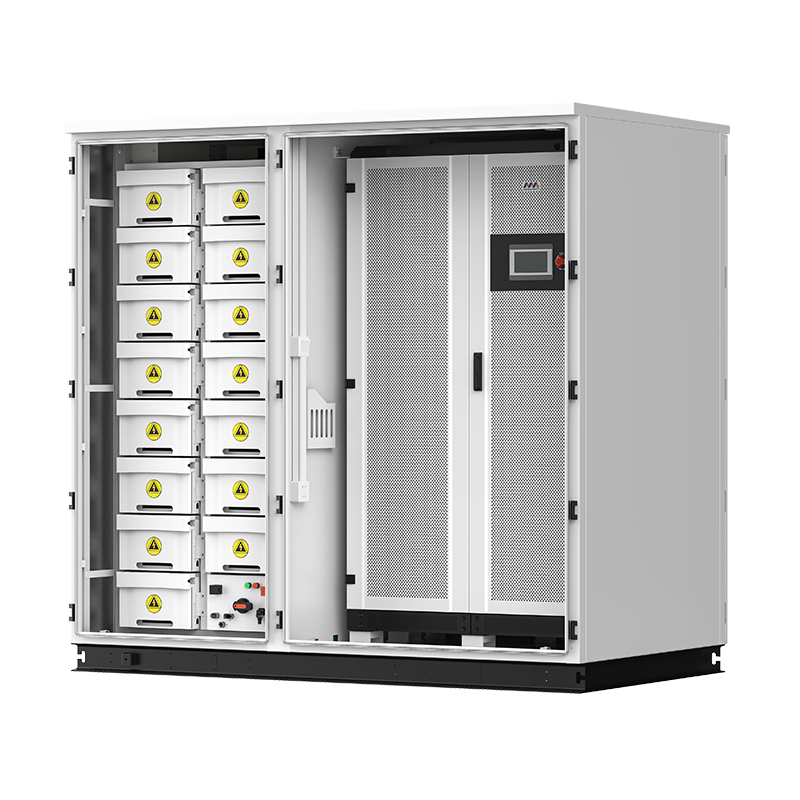
Battery size is an operating decision, not a catalogue choice. The correct capacity depends on which loads must run, for how long, at what power level and under which outage conditions.
Power and energy are different
Power, measured in kilowatts, determines how much equipment the system can support at one time. Energy, measured in kilowatt-hours, determines how long it can support that load. A facility may need high power for motor starting but a different energy capacity for sustained backup.
Define the critical-load boundary
List the equipment that must remain operational: production lines, refrigeration, clinical equipment, servers, lighting, pumps or guest services. Separating essential from discretionary loads can reduce battery cost and extend backup duration.
Measure rather than guess
A load analyser reveals demand peaks, phase imbalance, power factor and actual consumption over time. Nameplate ratings are useful, but they rarely show how equipment operates together. Motor and compressor starting currents must also be considered.
Account for usable capacity
Battery nameplate capacity is not the same as deliverable energy. System design must account for depth of discharge, conversion losses, temperature, ageing reserve and the manufacturer’s operating limits.
Decide what recharges the battery
Solar PV, grid supply and generators may all recharge storage. Recharge strategy affects PV size, generator loading and the system’s readiness for the next outage. A design that survives one outage but cannot recover before the next one is incomplete.
Model future expansion
Factories, hotels and campuses often add loads. A modular architecture can preserve expansion options, but future capacity should be based on a documented plan rather than vague oversizing.
Begin with the GreenPower preliminary calculator, then request interval load measurement for final engineering.